


Call Center
02-518-0680
Call Center
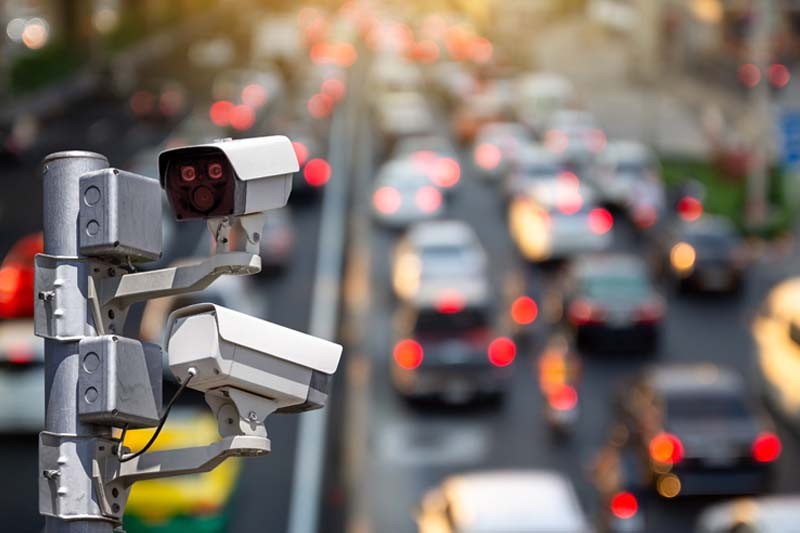
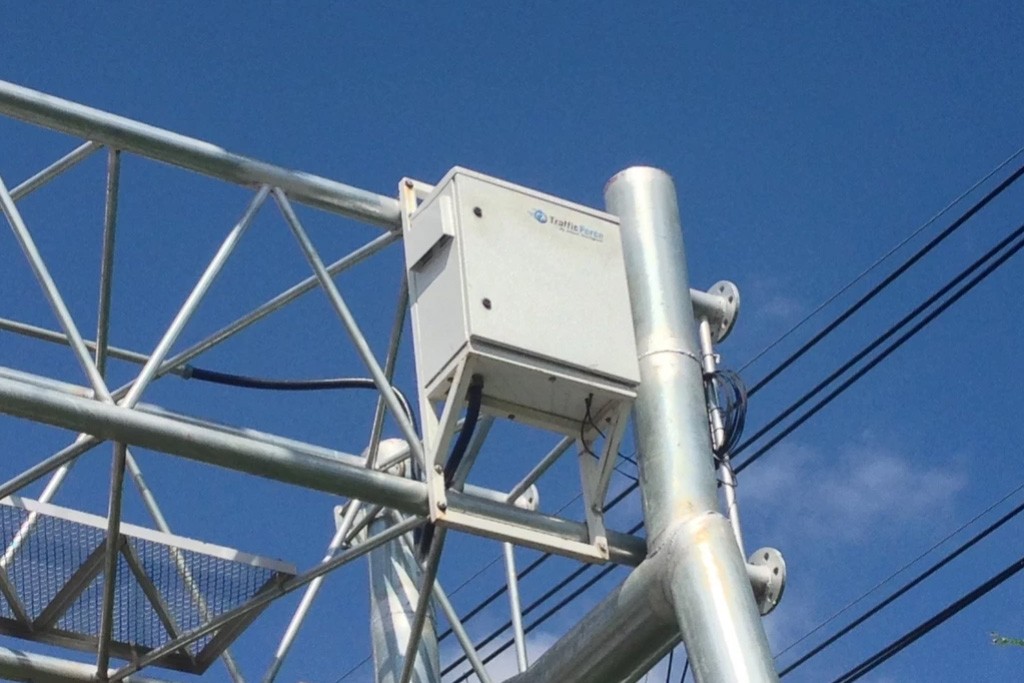
02-518-0680A traffic control system manages traffic so that it moves freely, in an orderly way and in line with traffic law, making the roads more convenient, faster and safer for road users. It is divided into speed enforcement (Traffic Force), traffic violation detection (Traffic Sec) and traffic data analysis and planning (Traffic Log).
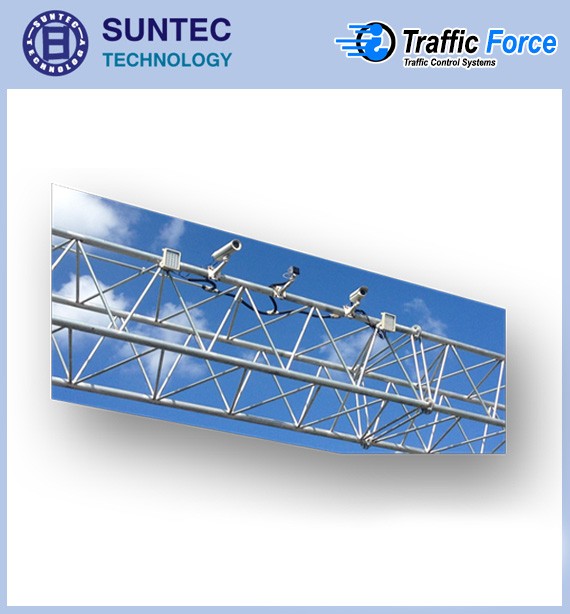
The Automatic Speed Enforcement System watches for vehicles exceeding the limit (which you can configure) in the area where the detection equipment is installed.
● Detects up to 120 metres from the installation point
● Covers up to 4 lanes at once
● Measures vehicle speeds up to 250 km/h
● Uses highly accurate Doppler radar
● Classifies vehicles into 3 types
● Detects and photographs vehicles at night as well
● Records the vehicle image, licence plate, speed and the date and time of the offence, all reviewable later
● Sends signals and data to the central control centre for easy control and management
● Includes licence plate recognition software to produce evidence for a ticket
● Includes ticket management software that issues tickets in real time or retrospectively, storing them for at least 3 years
● Connects to the Department of Land Transport to look up vehicle owner details
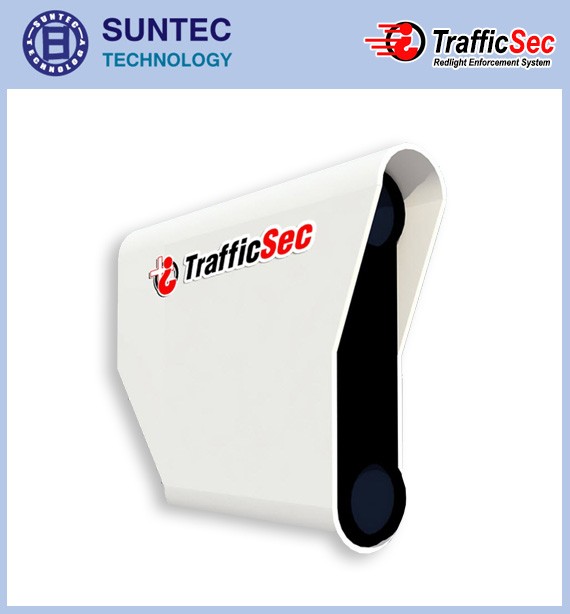
Traffic Sec is built to work effectively on traffic safety at signalised junctions, reducing and preventing road traffic accidents.
The system detects vehicles driven above the speed limit in a controlled area, and vehicles breaking the law by running a traffic signal. It detects speed and signal violations automatically, 24 hours a day.
Traffic Sec has been developed to work well in Thailand for maximum effectiveness. It uses microwave radar to measure vehicles, together with image analysis to work out whether a vehicle has run a red light or exceeded the speed limit. When an offence occurs, the system photographs the front and rear of the vehicle, then processes and sends the result to the control centre so a ticket can be issued and sent to the offender. The evidence includes an image showing the offence, an image of the front of the vehicle at the moment of the offence, an image of the rear of the vehicle at the moment of the offence, an overall image at the moment of the offence and the vehicle's speed. The system can use this to search Department of Land Transport records and identify the address for issuing the ticket.
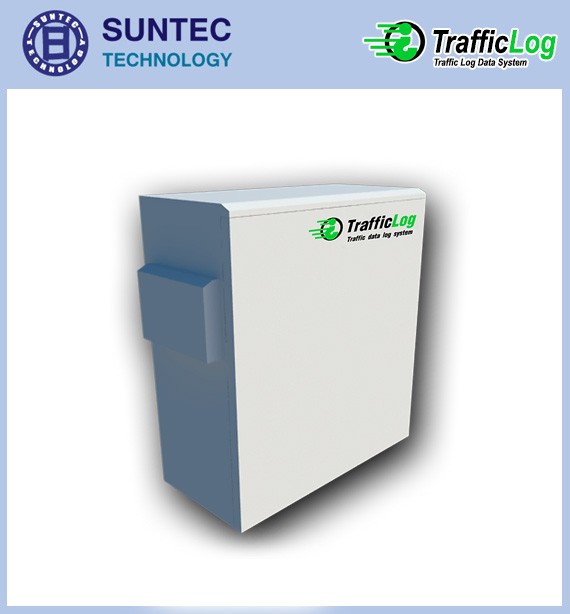
Traffic Log is built specifically to collect traffic data, so that the data can be used for other purposes such as traffic studies and research into how people use vehicles and roads.
Traffic Log runs 24 hours a day, detecting vehicles that pass through the detection area and recording data such as speed, lane, vehicle type and the date and time.
It takes detection data from microwave radar sensors capable of detecting high-speed objects, supports up to 100,000 vehicles per day, and processes and sends the data over the internet.
The traffic data can then be analysed and used to manage traffic in line with real conditions. Our traffic data system collects and analyses how vehicles are driven in the area, and provides useful traffic information to drivers based on what it collects.
We have long designed and installed nurse call systems, fire alarm systems
and lightning protection systems for both private companies and government agencies.
It is a system for managing traffic so that vehicles in each area move freely, in an orderly way and in line with traffic law, making the roads more convenient, faster and safer for road users.
It uses Doppler radar, which is highly accurate. It detects up to 120 metres from the installation point, covers up to 4 lanes at once, measures speeds up to 250 km/h and classifies vehicles into 3 types.
Yes. It detects and photographs vehicles at night as well, recording the vehicle image, licence plate, speed and the date and time of the offence, all of which can be reviewed later.
Yes. The system can connect to the Department of Land Transport to look up vehicle owner details. It includes licence plate recognition software to produce evidence for a ticket, can issue tickets in real time or retrospectively, and stores tickets for at least 3 years.
