


Call Center
02-518-0680
Call Center
02-518-0680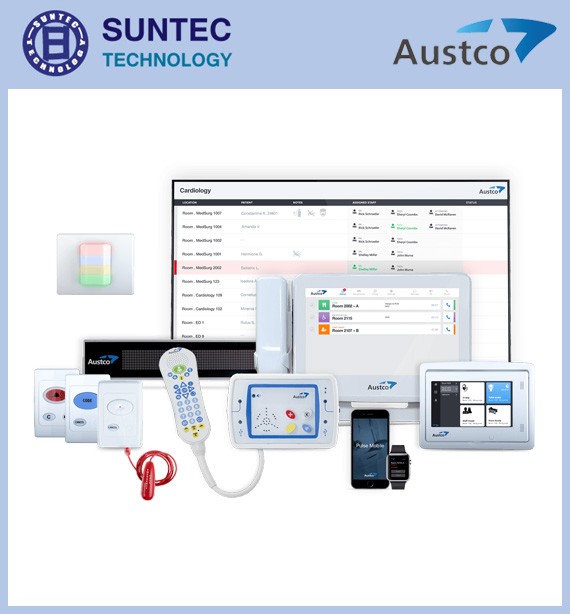
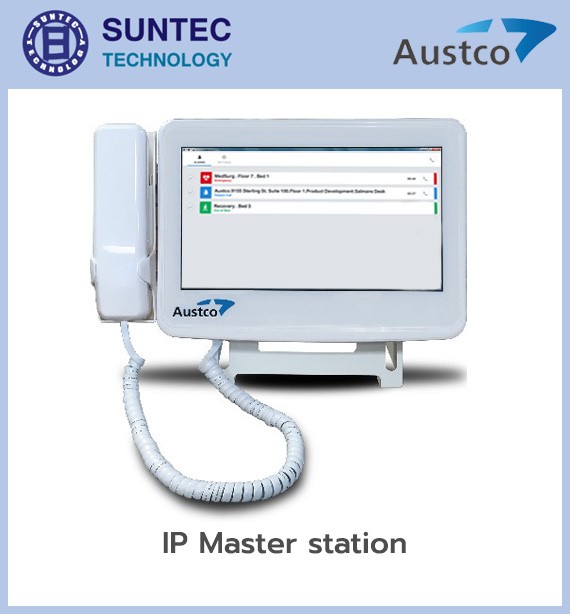
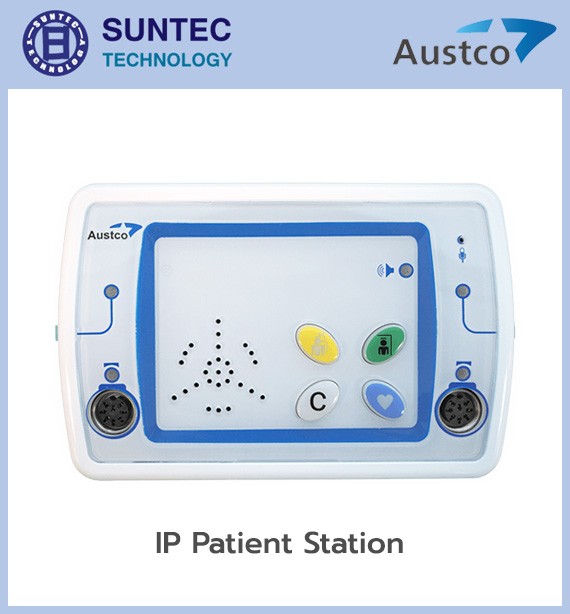
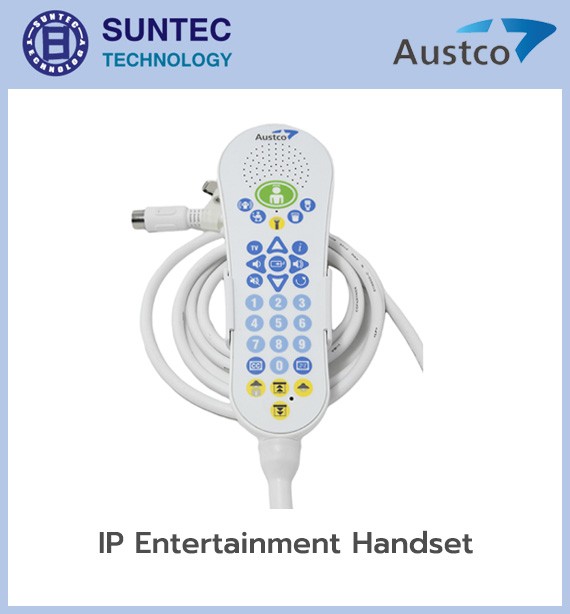
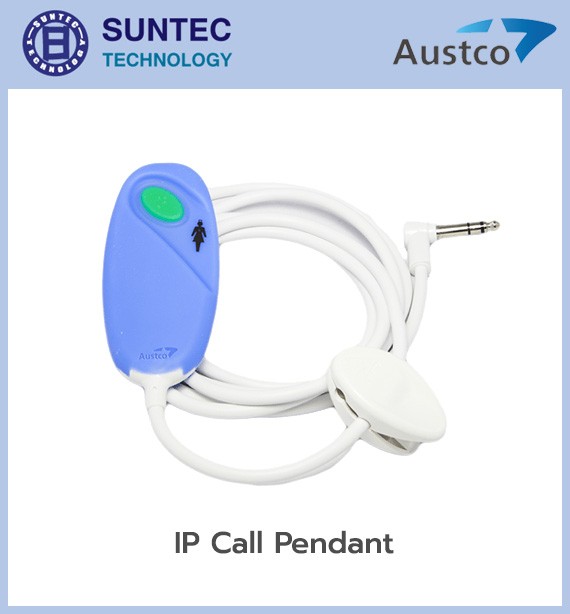

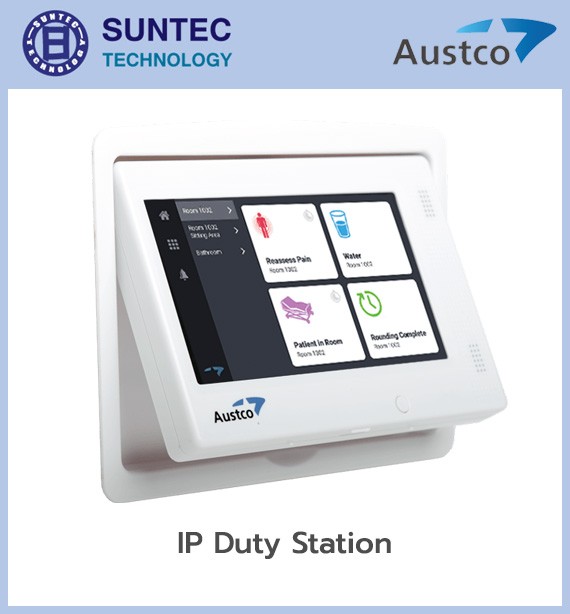
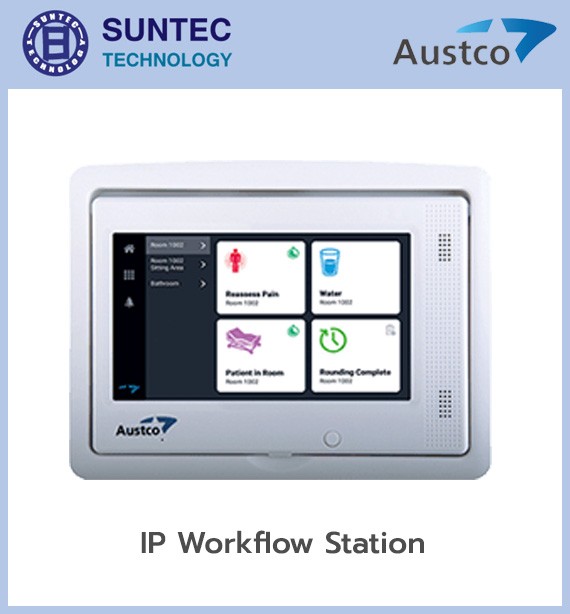
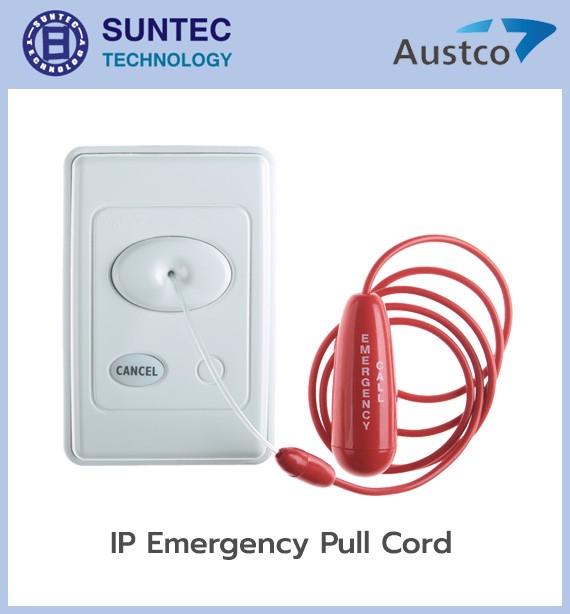
Austco Tacera nurse call system
• IP-based nurse call system
• Plug & play, easy to install and program
• Supports up to 10 call states per bed
• Call types, tones and display can be configured freely
• Programming can be done through a web interface
• Calls can be displayed as text or graphics
• Devices are easy to clean, with a cleaning mode that prevents accidental calls
• Can be networked for management, call logging and reporting
• Connects to medical equipment such as IV pumps and bed pad alarms
• Connects to other IP devices and systems, such as IP phones, mobile phones, fire alarm, BAS and security systems
Austco Tacera is an IP nurse call and clinical communication platform designed for hospitals, medical centres, clinics and elderly care facilities. It connects patients, nurses and clinical staff in real time, and the alerts and workflows can be tailored to each department.
Tacera can define several call types so that staff understand what is needed before they reach the patient, for example:
Call types and priority levels can be set to match each hospital's policy.
Bedside devices and pillow speakers support two-way voice, so patients can talk to a nurse directly. Staff can assess the situation and set priorities before travelling to the patient's room.
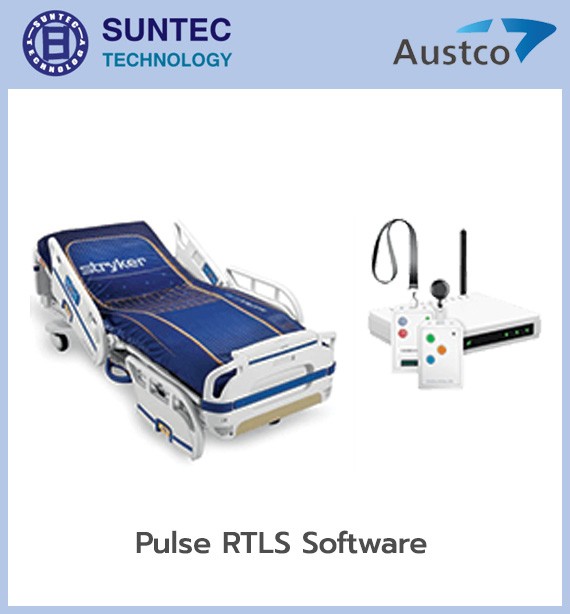
Supported Tacera hardware can work with a Real-Time Location System (RTLS) within the nurse call architecture. Staff or patients wear electronic badges that communicate with detectors inside the building. The system can be used to:
RTLS capability depends on the devices, modules and system design chosen for the installation.
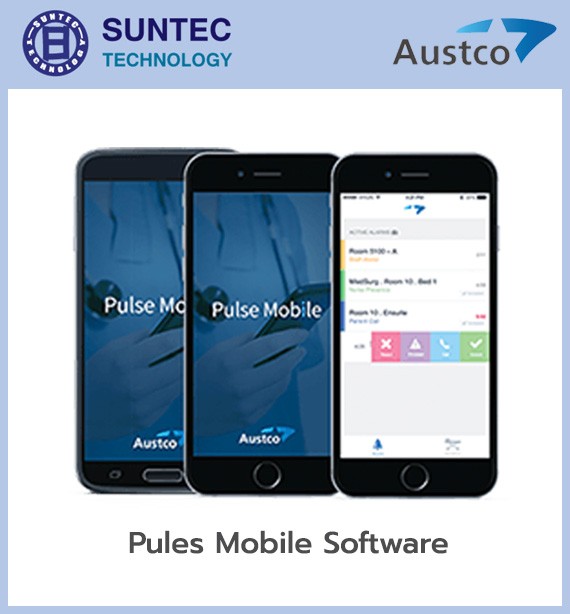
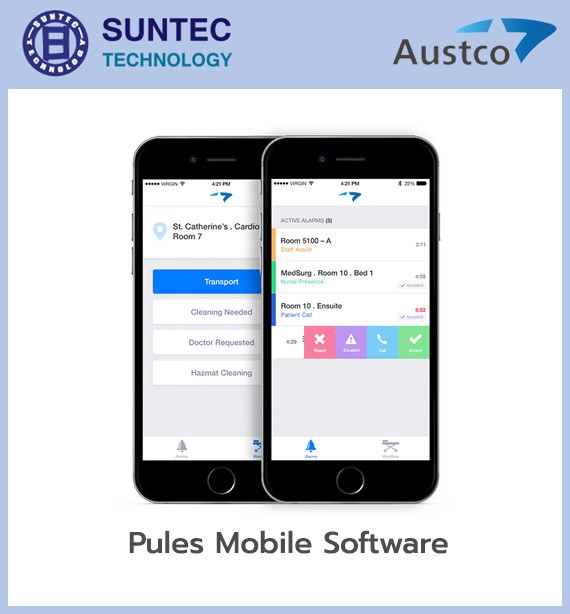
Used together with Pulse Mobile, staff can receive and manage alerts on a mobile device. That reduces the need to stay at the nurse station and shortens the time it takes to reach a patient.
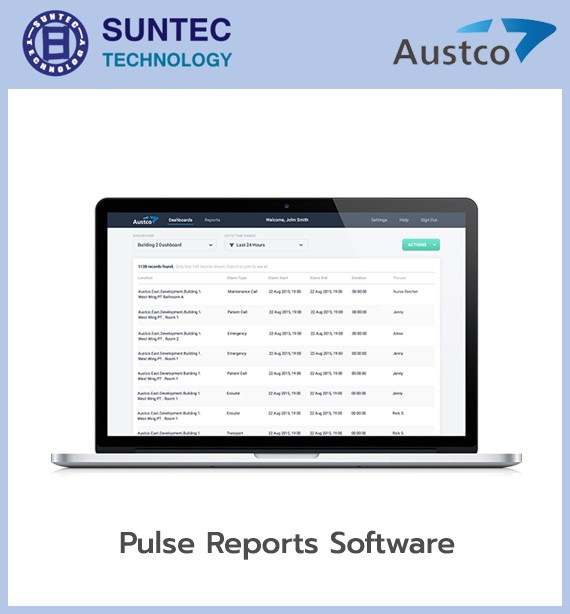
Used together with Pulse Reports, managers and department heads can analyse system data, such as:
The Tacera Pulse platform also includes Pulse Mobile, Pulse Reports and the Pulse Web Services API for linking data with other clinical systems.
The components vary with the project design, but typically include:
Tacera shortens response times, reduces the risk of a call going unanswered, puts team communication on a proper footing, and provides historical data for improving service quality. It also supports future integration and expansion, making it a good fit for Smart Hospital projects that want nurse call, clinical communication, workflow, mobile and analytics on a single platform.
Note: The functions actually available depend on the device model, software, licences, network and installation scope of each project. Confirm the equipment list and integrations with your distributor before finalising a specification.
We have long designed and installed nurse call systems, fire alarm systems
and lightning protection systems for both private companies and government agencies.
It is an IP nurse call and clinical communication platform, designed for hospitals, medical centres, clinics and elderly care facilities.
Up to 10 call states per bed, with the call type, call tone and display all freely configurable.
It connects to medical devices such as IV pumps and bed pad alarms, and to other IP devices and systems such as IP phones, mobile phones, fire alarm, BAS and security systems.
No. Installation and programming are plug and play, programming is done through a web interface, and a cleaning mode lets staff clean the devices without triggering accidental calls.
