


Call Center
02-518-0680
Call Center
02-518-0680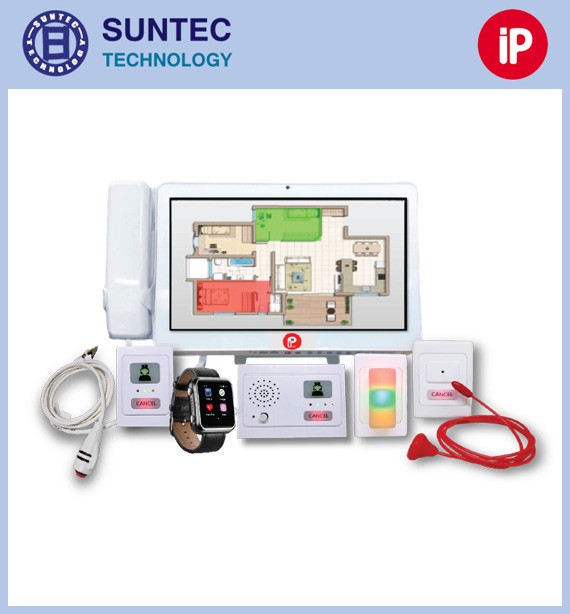
IP Call nurse call system (IP-based network)
• The system can be programmed in many ways to suit the user, dividing calls into several types and priority levels, and accepting alerts from related equipment such as IV pumps, bed exit alarms and heart rate alarms
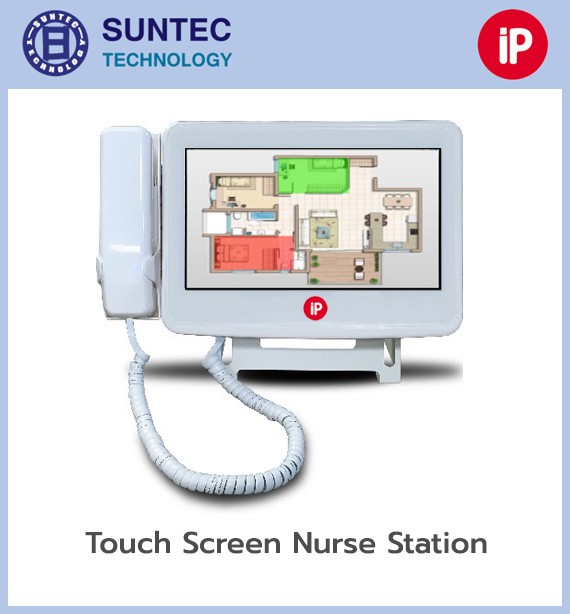
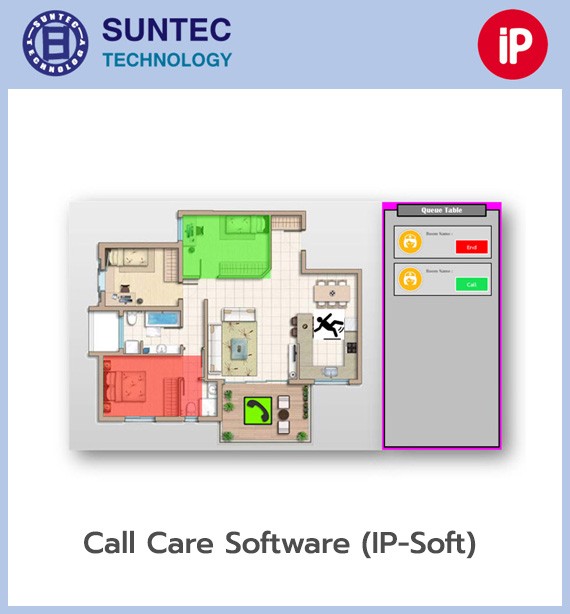
• The nurse station is a tablet touch screen with a handset for VoIP conversation, able to display both text and a graphical plan of the ward
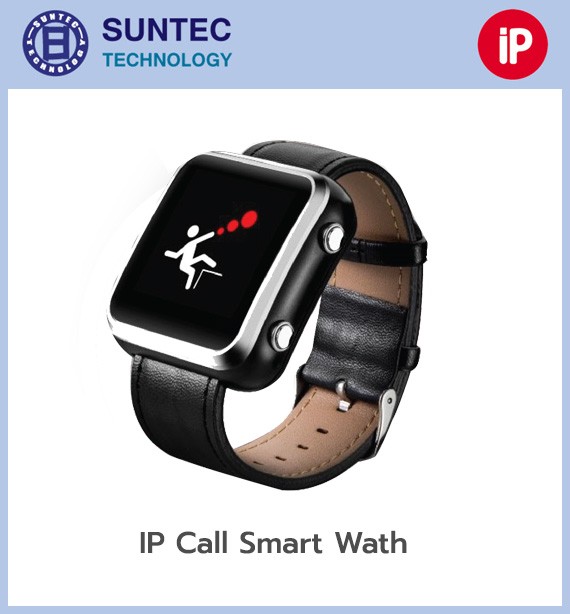
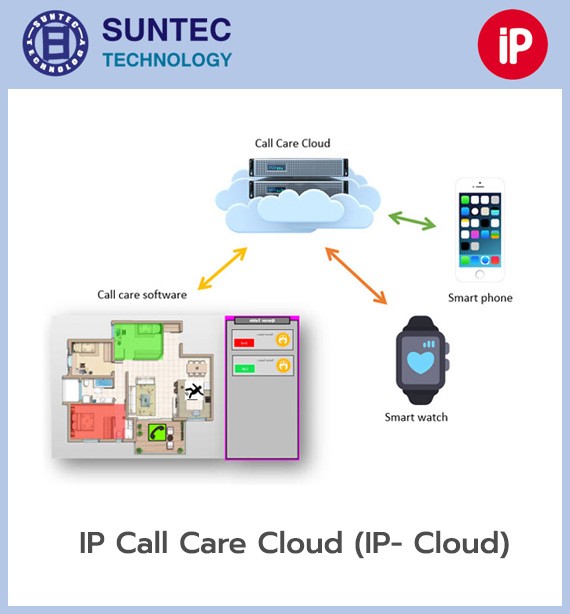
• Connection to external devices gives confidence that patients are looked after continuously and quickly, through communication devices such as IP phones, mobile phones and smart watches
The IP Call nurse call system is a hospital communication and alerting system running over an IP network. Each device exchanges data with the server directly, so it can identify the location, type of request, urgency and acknowledgement status precisely, rather than sending the simple on/off signal of a traditional system. It also records events and can connect to the hospital's information systems.
These include the patient station, handheld call buttons, bathroom pull cords, emergency buttons, Code Blue buttons and staff presence devices.
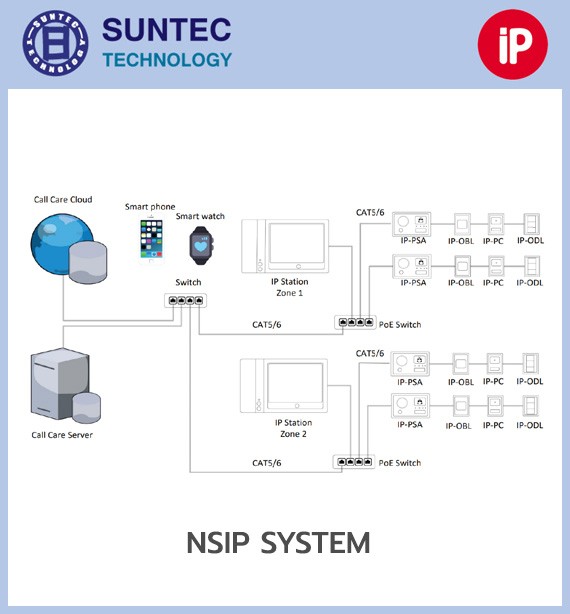
Controls and collects the devices in a room or group of rooms and sends the data into the IP network. Each controller has its own device number so that the system can identify the location correctly.
Uses Ethernet and managed network switches to connect the parts of the system. A dedicated network or VLAN can be set aside for the nurse call system in line with IT department policy.
The centre that processes calls, assigns priority, sends alerts, manages users, records events and connects to external systems. It can be installed on a physical or virtual server according to the system requirements.
The system can set the call type, colour, tone, priority and responsible staff for each call, for example:
The system can route each type of request to the right person, so that a request for water goes to a nursing assistant, cleaning goes to housekeeping, and an emergency goes straight to a registered nurse or the medical team.
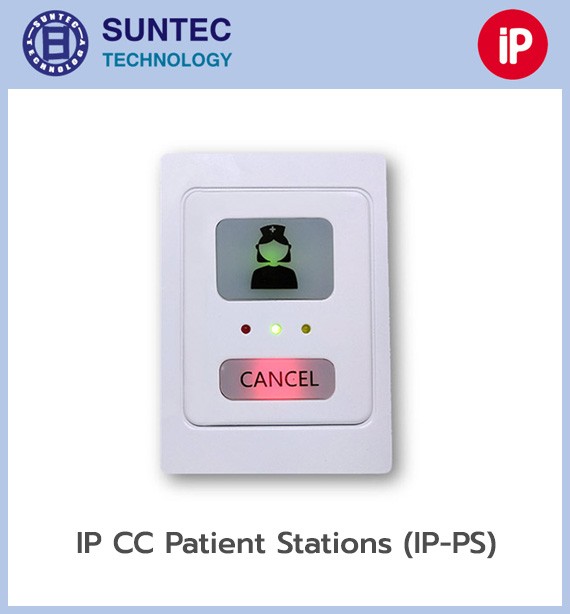
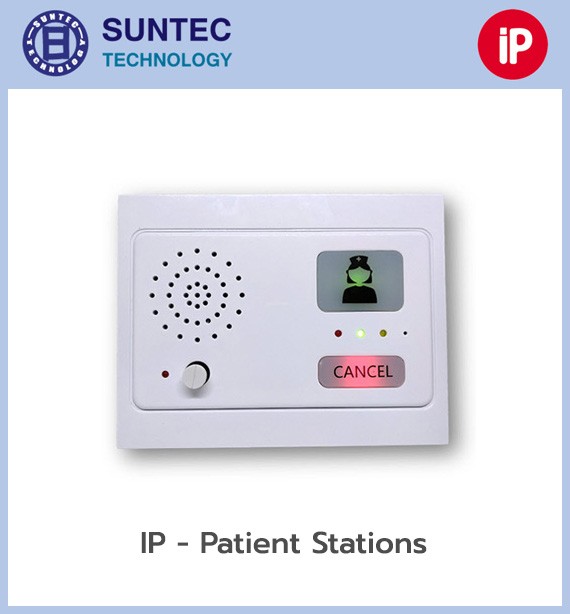
Installed at the head of the bed or in the patient room, acting as the hub that receives signals from call buttons, bedside devices and medical equipment. It can support functions such as:
A call button connected into the network that sends the location and call type to the server. Button colour, text, icon and function can be set to match the hospital's working process.
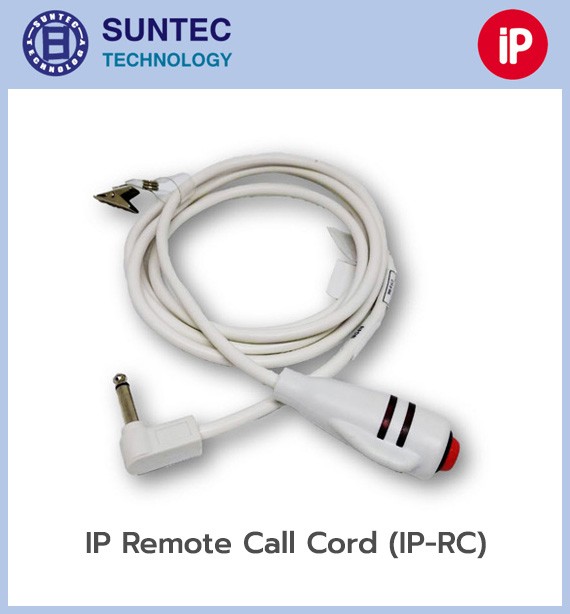
A handheld call device for the patient, ranging from a basic call button to multi-button versions covering, for example:
A bedside device combining call buttons and audio. The patient can talk to a nurse over VoIP directly, so the nurse knows the basic need before travelling to the room.
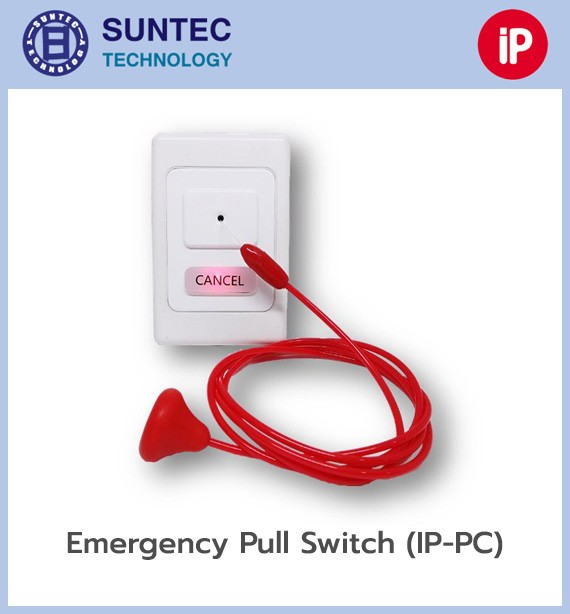
A pull cord for bathrooms and showers, installed so that a patient can reach it standing, seated or after a fall. When pulled, the system shows it as a bathroom call with the priority level assigned to it.
Used to call the emergency or resuscitation team. The tone, colour and light pattern can be set differently from ordinary calls, and the signal goes straight to the relevant team.
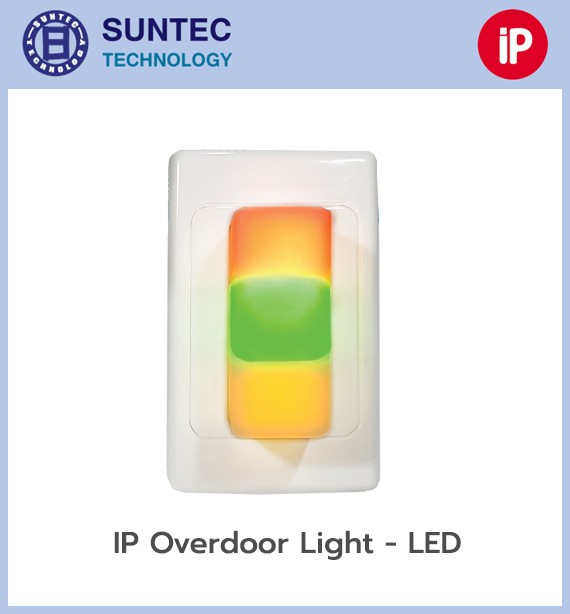
An over-door light showing the location and event type by colour or flash pattern, for example:
The actual colours depend on the standards and design of each project.
A display in a corridor or common area showing real-time information such as:
The control screen at the nurse counter, used to view and manage calls within the area of responsibility. The functions that can be configured include:
Controls, stores and processes all the system data, for example:
The IP system can be installed on a physical or virtual server according to the product requirements and the hospital's IT policy.
Staff can receive and manage calls on a smartphone or tablet within a secure network, and can:
The system can forward calls automatically, for example:
Timings and escalation paths can be set separately by call type, time of day, shift, staff member or area, which reduces the risk of a call going unanswered.
IP Call supports voice over the IP network, which means:
The IP-based network can connect to other systems through APIs, web services, HL7 or interfaces supported by the product, for example:
A real-time location system makes it possible to:
It can receive signals from equipment with a supported interface, such as:
Modern IP nurse call platforms can connect to RTLS, smart beds, EMR/EHR, infusion pumps, telemetry and building systems through an open API.
The system stores every event so that service can be audited and improved, for example:
The data can be used to analyse workload, plan staffing levels, reduce waiting times and audit the quality of patient care.
The system should be designed as a managed network, separate from the general user network, for example:
Because IP Call is part of the IT infrastructure, it should have measures such as:
In short, the IP Call nurse call system does more than pass on a request for help. It is a clinical communication platform linking patients, nurses, medical equipment and information systems, so that staff get the right information where they need it, response times fall, safety improves, and the hospital has a structured path towards becoming a Smart Hospital.
We have long designed and installed nurse call systems, fire alarm systems
and lightning protection systems for both private companies and government agencies.
The nurse station is a tablet touch screen with a handset for VOIP conversations, showing both text and a graphical plan of the ward.
It accepts alerts from related devices such as IV pumps, bed exit alarms and heart rate alarms, so that patients are cared for without a break.
Yes. The system can be programmed in many ways to suit the user, dividing calls into multiple types and multiple priority levels.
